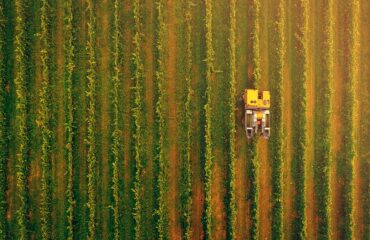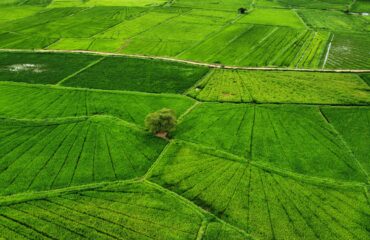
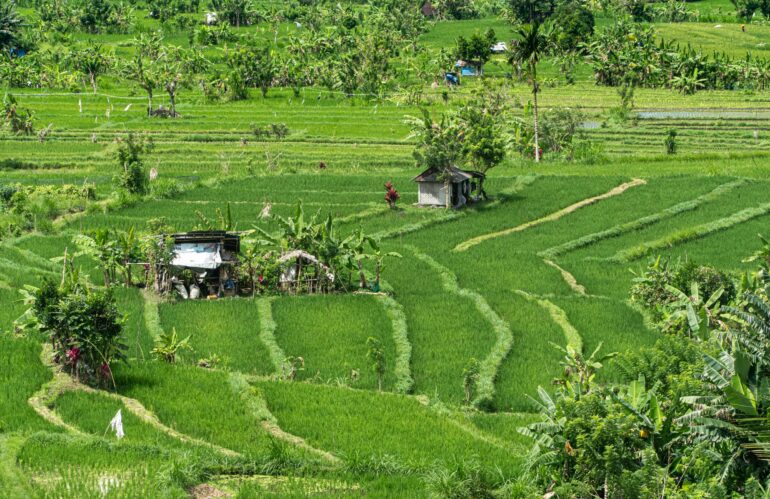
Agriculture has always been the backbone of human civilization. As the global population continues to grow, the demand for food production is increasing rapidly. Traditional farming methods alone are no longer sufficient to meet these demands while also preserving natural resources. This is where smart agriculture and modern farming technologies are making a transformative impact.
Smart agriculture refers to the integration of advanced technologies such as sensors, drones, satellite monitoring, artificial intelligence, and data analytics into farming operations. These technologies help farmers monitor crop health, manage soil conditions, optimize irrigation, and increase productivity while reducing environmental impact.
One of the most significant innovations in modern agriculture is precision farming. Precision farming allows farmers to analyze field conditions in real time and apply resources such as water, fertilizers, and pesticides only where they are needed. This targeted approach reduces waste, lowers costs, and improves crop yields.
Drones are also becoming an essential tool in modern farming. Equipped with advanced imaging technologies, drones can scan large agricultural fields quickly and identify areas that require attention. They can detect early signs of plant diseases, nutrient deficiencies, or irrigation problems before they become serious issues.
Another important development is the use of IoT (Internet of Things) sensors in agriculture. These sensors collect valuable data on soil moisture, temperature, humidity, and crop conditions. Farmers can access this data through digital platforms and make informed decisions to improve their farming operations.
Smart irrigation systems are another breakthrough in agricultural technology. These systems automatically adjust water usage based on weather conditions and soil moisture levels. By delivering water precisely when and where it is needed, smart irrigation significantly reduces water waste while maintaining optimal crop growth.
The use of data-driven decision-making is also revolutionizing agricultural planning. With advanced analytics tools, farmers can analyze historical data, weather forecasts, and soil conditions to determine the best planting schedules and crop management strategies.
Sustainability is another key advantage of smart agriculture. By optimizing resource usage and minimizing waste, modern technologies help protect natural ecosystems and reduce the environmental footprint of farming activities.
In addition, smart agriculture helps farmers manage risks more effectively. Early detection of crop diseases, pests, and climate-related challenges allows farmers to respond quickly and protect their harvest.
As technology continues to evolve, agriculture will become increasingly efficient, sustainable, and resilient. Companies like Verdora Consulting play a crucial role in helping farmers adopt modern technologies and implement smarter farming strategies.
The future of agriculture lies in innovation, sustainability, and collaboration between technology and nature. By embracing smart farming solutions, agricultural producers can increase productivity while ensuring the long-term health of the planet.